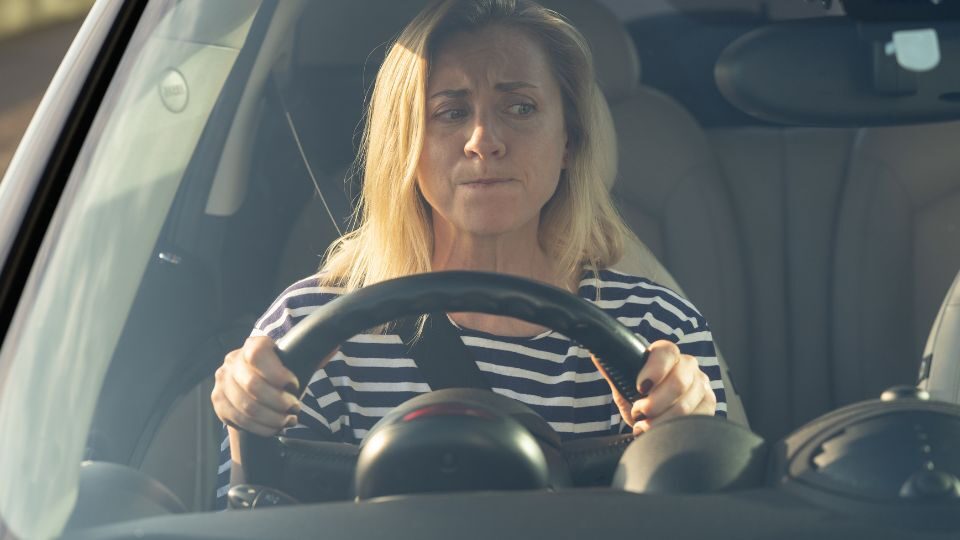
Feeling nervous before your practical driving test is completely normal.
The test represents the result of weeks or months of learning, and many candidates feel pressure to pass. However, excessive anxiety can affect concentration, observations and decision-making.
The aim is not to remove every nervous feeling. It is to manage those feelings so that you can demonstrate your real driving ability.
Make Sure You Are Genuinely Ready
The most effective way to reduce driving test nerves is proper preparation.
You should be able to drive safely without regular instructions from your driving instructor. This includes handling unfamiliar roads, busy junctions, roundabouts and changing traffic conditions.
Being ready does not mean that you will never make a mistake. It means that you can recognise situations, make safe decisions and recover calmly when something does not go exactly as planned.
Take Mock Driving Tests
Mock tests can help make the real test feel less unfamiliar.
During a mock test, your instructor may reduce their normal guidance and assess your driving in a way that feels closer to the official test.
A mock test can help you practise:
- Driving independently
- Following directions
- Dealing with silence in the car
- Recovering after an error
- Maintaining concentration
- Handling pressure
The result of a mock test is less important than the feedback you receive. It can reveal areas that need additional practice before test day.
Do Not Aim for Perfection
Many learners believe that one small mistake means they have failed. This can cause them to lose concentration and make further errors.
Your goal should be safe driving, not perfect driving.
When you make a mistake, avoid repeatedly thinking about it. Focus on what is happening on the road now.
A useful approach is:
Recognise the error, correct it safely if possible and continue driving.
You cannot change what happened thirty seconds ago, but you can control your next decision.
Practise Driving on Unfamiliar Roads
Learners can become too comfortable with familiar routes. This may create additional anxiety when the examiner takes them somewhere different.
Driving on unfamiliar roads helps you rely on road signs, observations and planning rather than memory.
Ask your instructor to include a variety of:
- Residential areas
- Country roads
- Dual carriageways
- Complex roundabouts
- Busy junctions
- Different speed limits
The more situations you experience during lessons, the less intimidating unfamiliar roads will feel during your test.
Prepare the Night Before
Organising practical details in advance can reduce unnecessary stress.
Before going to bed, check:
- Your test time
- Your meeting time with your instructor
- The location of the test centre
- The documents you need
- Your glasses or contact lenses
- Suitable clothing and footwear
Try to get enough sleep and avoid staying awake late while watching driving-test videos.
Additional information can be useful, but excessive last-minute preparation may make you feel more anxious.
Control Your Breathing
Nervousness can cause shallow breathing, muscle tension and a faster heartbeat.
Before your test, try breathing in slowly through your nose and breathing out more gradually. Repeat this several times while sitting safely in the parked vehicle.
Relax your shoulders and avoid gripping the steering wheel too tightly.
Calm breathing does not remove the pressure completely, but it can reduce the physical symptoms of anxiety.
Listen Carefully to Instructions
During the test, listen to the examiner’s directions but do not react too quickly.
An instruction does not mean that you must turn or change lanes immediately. Check your mirrors, assess the road and complete the action when it is safe.
Taking a wrong direction is less serious than making an unsafe manoeuvre.
If you do not understand an instruction, you can politely ask the examiner to repeat it.
Focus on One Situation at a Time
Avoid thinking about whether you have passed or failed while the test is still taking place.
Focus on the next junction, the next mirror check and the next road situation.
Ask yourself:
- What can I see?
- What could happen next?
- Is my speed suitable?
- Is my road position correct?
- Do I need to check my mirrors?
Breaking the test into smaller decisions can make the experience feel more manageable.
Prepare with Denver Driving School
Confidence comes from structured practice and a clear understanding of what is expected.
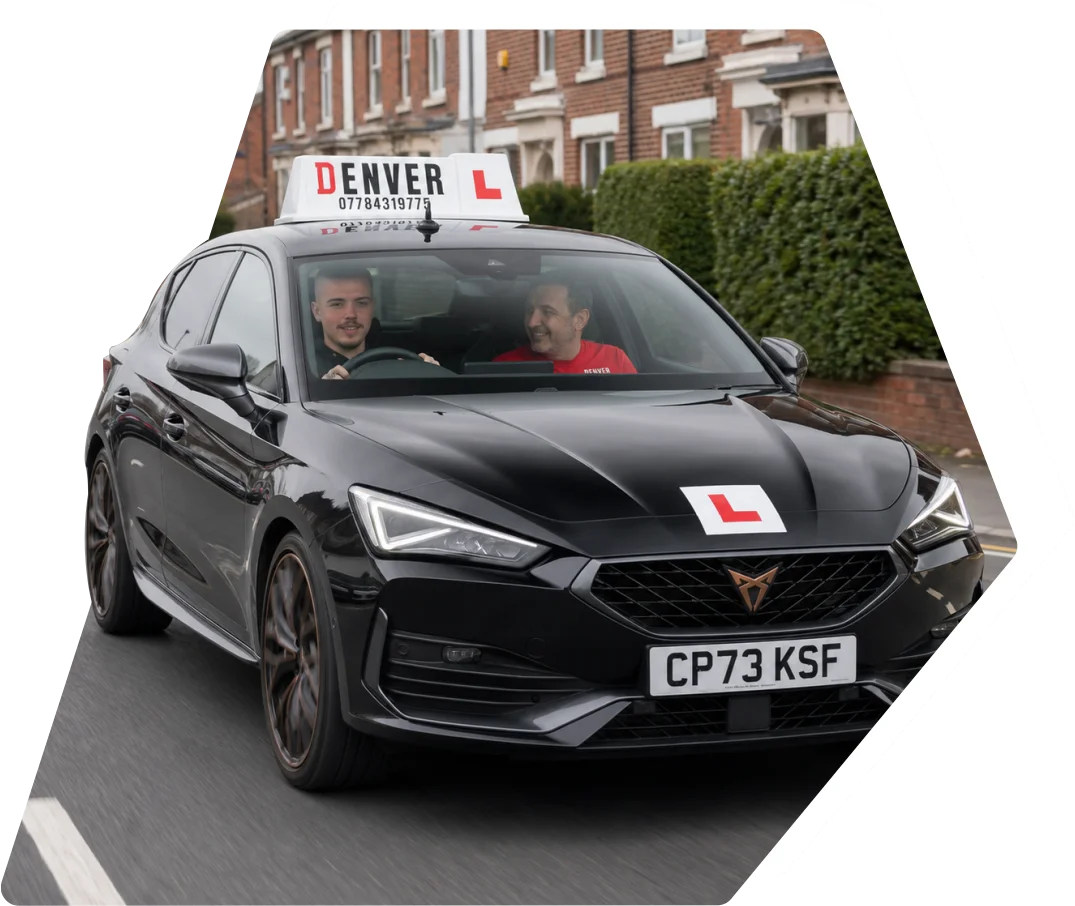
Denver Driving School provides professional driving lessons and mock-test preparation across Swansea. Lessons are adapted to your individual needs, including support for nervous and anxious learners.
Book your driving lessons today and approach your test with greater confidence and control.